Selecting the Best Remodeling Contractor: Important Questions to Consider
Identifying the right renovation contractor is vital for the outcome of any home renovation project. A large number of homeowners underestimate the value of asking the appropriate questions. Price is not the sole consideration; communication, reliability, and experience play important roles. Recognizing these elements can help guarantee a seamless process. However, knowing the right questions to pose can be difficult. What should be prioritized when vetting potential contractors? The following are essential points to support the selection process.
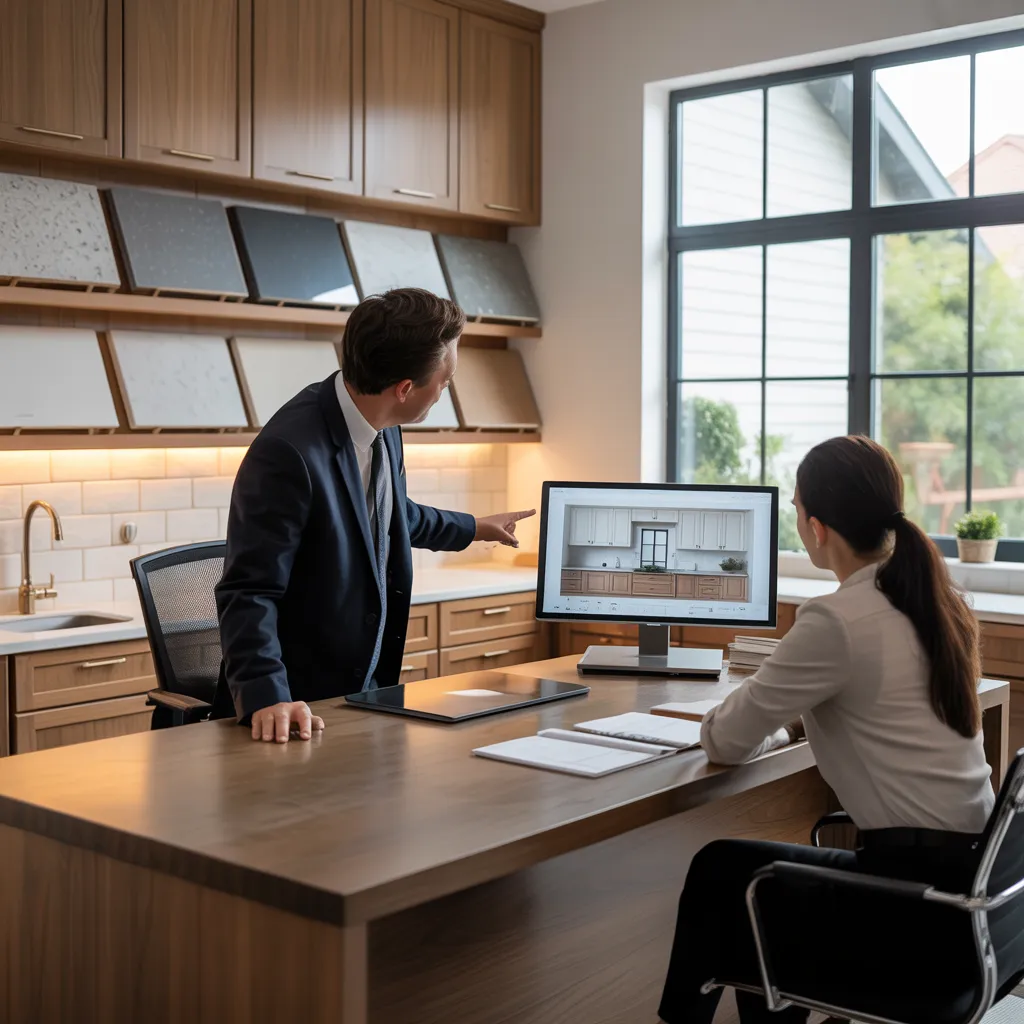
The Importance of Choosing the Right Remodeling Contractor
Choosing the right renovation contractor is essential, as the outcome of a remodel can substantially impact both the function and appearance of a property. A talented contractor guarantees that projects are carried out effectively, following deadlines and financial plans. Their expertise can improve the overall standard of workmanship, producing a living area that satisfies the homeowner's goals and desires.
Additionally, a competent contractor fosters effective communication, providing updates and addressing concerns throughout the remodeling process. This transparency builds trust and allows for adjustments as necessary. Furthermore, hiring the right professional decreases the chance of possible complications, such as structural deficiencies or planning oversights, which can occur due to inexperienced workmanship. At the end of the day, the selection of contractor can dictate not only the direct fulfillment from the improvement but also the lasting worth and pleasure of the residence, underscoring the significance of a well-informed choice.
What Credentials Should Your Remodeling Contractor Have?
A properly credentialed remodeling contractor should demonstrate a number of credentials that demonstrate their knowledge and trustworthiness. Key certifications include state licenses, which verify adherence to local regulations and building codes. Additionally, industry certifications from organizations such as the National Association of the Remodeling Industry (NARI) or the National Kitchen & Bath Association (NKBA) demonstrate focused expertise and dedication to professional guidelines.
Adequate insurance coverage, particularly liability insurance and workers' compensation coverage, is essential, safeguarding both the homeowner and the contractor from possible financial risks. Additionally, a strong portfolio highlighting completed work can reveal important details about the contractor's expertise and design sensibility.
Membership in industry associations demonstrates a devotion to the industry and continuous education. Finally, consumer safety credentials, such as a Better Business Bureau accreditation, can add an extra layer of certainty regarding the contractor's honesty and business practices. Collectively, these qualifications confirm that property owners hire a qualified and reliable contractor.
How to Check Contractor References and Reviews
When hiring a renovation contractor, verifying references and reviews is essential for ensuring quality work. Future clients should search online platforms for feedback and evaluations, as well as connect with former clients personally to gather firsthand perspectives. This method can substantially shape decisions and uncover potential concerns.
Browse Online Platforms
How can potential clients guarantee a remodeling contractor's credibility? A great strategy is to explore multiple online platforms that specialize in contractor reviews. Websites like Yelp, Angie's List, and Houzz offer a wealth of information, including customer ratings and detailed feedback. Prospective clients should identify trends in reviews, paying attention to both favorable and unfavorable experiences. A contractor with consistently high ratings and constructive comments is usually a reliable choice. Additionally, social media platforms can provide insights into a contractor's recent projects and client interactions. Joining online discussion boards or local community groups may also produce worthwhile suggestions. By leveraging these resources, clients can make informed decisions, ensuring a trustworthy and competent remodeling contractor for their projects.
Contact Past Clients
What steps can clients take to guarantee a remodeling contractor's reliability? An excellent strategy in-depth guide is to speak with previous clients to gain valuable perspectives. Clients should request a list of references and speak directly to previous customers about their experiences. Essential questions should cover the project's timeframe, adherence to budget, and how the contractor communicates with clients. It is equally important to find out if former clients would choose to rehire the contractor. Additionally, clients should look for reviews on third-party platforms to assure a balanced perspective. By gathering diverse feedback, clients can better assess the contractor's reliability and quality of work. Such a detailed screening process can considerably minimize the likelihood of unsatisfactory outcomes in remodeling projects.
A Guide to the Standard Remodeling Project Timeline
Recognizing the general home remodeling schedule is crucial for property owners to set realistic expectations. This section will describe the key stages involved, address common delays that may arise, and walk through the project completion walkthrough. By understanding these key aspects, those undertaking renovations can better navigate their remodeling journey.
Project Phase Breakdown
A typical remodeling project unfolds in multiple important stages, every one of which plays a vital role in achieving a successful result. The initial phase involves planning and design, where property owners work closely with contractors to outline the scope, budget, and timeline. Once the plans are finalized, the following stage involves securing the required permits and approvals, which may differ depending on local regulations.
Following this, the construction phase begins, defined by demolition, structural work, and placement of new features. This phase frequently demands ongoing communication between the contractor and the homeowner to resolve any changes or questions. Finally, the project comes to completion with a comprehensive review and walkthrough to verify that everything satisfies the established criteria. Each phase plays a critical role in the general outcome of the renovation project.
Common Timeline Delays
Prompt completion of a renovation project may be considerably influenced by a range of delays, which frequently occur throughout various phases of the work. Typical reasons include issues with permitting, where local regulations may prolong approval times. The accessibility of materials also serves as a key factor; postponements in supply orders can slow momentum. Unforeseen structural problems, such as hidden water damage, may necessitate additional time for repairs. Environmental conditions may also disturb planning, most notably in outdoor undertakings. Additionally, labor shortages may lead to delays in securing skilled workers. Clear dialogue between the builder and the property owner is vital, because confusion surrounding the range of the project may also add to prolonged schedules. Understanding these potential delays can help homeowners set realistic expectations for their remodeling projects.
Final Walkthrough Process
In what way does the final walkthrough mark the conclusion of a remodeling project? This critical phase gives homeowners the opportunity to review the finished work, confirming it fulfills their expectations and corresponds with the original plans. During the walkthrough, the contractor and homeowner review every detail, from finishes to functionality. This presents the ideal moment to detect any discrepancies or problems that must be resolved prior to making the final payment. Homeowners ought to bring a thorough checklist along with any pertinent documentation associated with the project. An effective final walkthrough not only establishes satisfaction but also reinforces the working relationship between the contractor and homeowner. Proper communication and transparency during this phase can prevent misunderstandings, paving the way for future collaborations or recommendations.
Navigating Your Budgeting and Payment Alternatives
Smart budgeting is vital for those beginning a home improvement project, as it establishes the basis for monetary planning and strategic choices. Property owners should start by identifying a reasonable budget that accounts for all anticipated costs, including supplies, workforce expenses, and unplanned costs. It is wise to allocate an additional 10-20% for unexpected circumstances to cover unforeseen issues that could emerge during the renovation.
When reviewing payment options with construction professionals, home improvement clients should inquire about payment timelines, which can vary considerably. Some contractors may request a down payment upfront, with the remaining amount due upon project milestones or completion. Being familiar with these conditions helps property owners to plan their budget effectively.
In addition, homeowners can explore payment options, including home equity loans or personal loans, to help cover costs. Straightforward communication about financial planning and payment arrangements with the selected contractor ensures that monetary expectations are aligned, reducing the likelihood of disputes later in the process.
How Are You Kept in the Loop?
Open dialogue about budgeting and payment arrangements sets the stage for continuous updates during the remodeling process. A reliable contractor should develop a systematic approach to keeping clients updated. This could encompass routine meetings to evaluate progress, either in person or via video calls. Written reports may also be provided, detailing work completed and upcoming tasks.
Furthermore, incorporating digital tools is growing more widespread. Contractors may use digital project management tools that allows clients to track project timelines and key milestones on a live basis. This clarity establishes trust and guarantees that clients stay involved during the entire project.
Additionally, timely alerts about any modifications—including those involving schedules, materials, or unforeseen problems—are crucial. In addressing these critical components, a remodeling professional demonstrates their commitment to excellent service and homeowner satisfaction, providing an educated and jointly managed remodeling journey.
What Warranties and Guarantees Should You Anticipate?
What warranties and guarantees should homeowners look for when engaging a remodeling contractor? Generally, contractors provide two main types: workmanship warranties and product warranties. Labor warranties address the quality of the contractor's work, typically ranging from one to ten years based on the company and project size. These warranties assure homeowners that any defects resulting from poor installation will be addressed without additional costs.
Product guarantees, in contrast, pertain to the materials employed in the remodel. Manufacturers usually provide these warranties, and they can span a limited number of years up to a lifetime, depending on the product type. Homeowners are encouraged to seek out the specific terms of both warranties, encompassing the scope of coverage, the duration, and any circumstances that could invalidate them. Understanding these guarantees can assist homeowners in making well-informed choices and secure their investment throughout the remodeling project.
Questions We Often Receive
What Is the Contractor's Preferred Communication Style During the Project?
The contractor opted for consistent email updates, paired with scheduled weekly calls to address detailed matters. They prioritized transparency, ensuring every project stakeholder stayed updated and involved throughout the remodeling process, cultivating a team-oriented environment.
How Do They Handle Unexpected Challenges or Changes?
They typically assess the situation, coordinate with the property owner, and suggest resolutions. Effective contractors maintain flexibility, making certain that modifications support project objectives while limiting disturbances, thus cultivating a cooperative atmosphere amid unforeseen obstacles.
Can You Supply a Comprehensive Written Estimate?
A detailed written estimate should itemize all project costs, including materials, labor, and timelines. This level of transparency helps clients understand expenses and prevents misunderstandings, guaranteeing both parties are in agreement before the renovation project commences.
What Safety Practices Do They Enforce On-Site?
The contractor enforces several safety precautions on the job site, which include personal protective equipment for workers, warning signage, scheduled equipment inspections, and adherence to local regulations, establishing a protected environment that limits dangers for all workers and homeowners.
How Do They Maintain Compliance With Local Building Regulations?
They secure compliance with local building codes by staying updated on regulations, securing all essential permits, and performing routine inspections throughout the project. This preventative method reduces associated risks and guarantees conformity with safety and legal standards.